 English
Looking to grow your business with new equipment but feeling overwhelmed by the financing process? You’re not alone. Equipment financing can feel complicated, but it doesn’t have to be. Understanding what lenders look for before you apply can save you time, stress, and help you secure the funding you need.
Let’s break down the 10 essential things you should know before submitting that application.
1. Your Credit Score Matters (But It’s Not Everything)
Here’s the truth: most lenders want to see a credit score of 600-650 or higher. But don’t panic if your score isn’t perfect.
Many lenders offer options for lower credit scores: you might just face higher interest rates. The key is knowing where you stand before you apply. Lenders typically check both your personal and business credit scores, especially if you’re a small business owner.
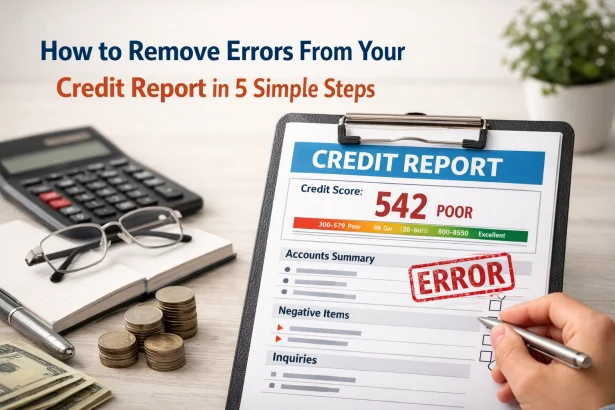
Pro tip: Check your credit report for errors before applying. Even a small mistake can drag down your score. If you find issues, getting them fixed can make a real difference in your approval odds.

2. Time in Business Opens More Doors
Most financing providers prefer working with businesses that have been around for at least 12-24 months. Why? It shows stability and proves you can generate consistent revenue.
But here’s the good news: being a startup doesn’t automatically disqualify you. If you have a solid business plan, strong personal credit, or can offer additional guarantees, you still have options. Some lenders specialize in working with newer businesses.
3. Revenue Requirements Vary By Lender
Generally, lenders want to see annual revenue between $100,000 and $250,000. Traditional banks usually stick to these higher minimums.
However, online lenders tend to be more flexible. Some accept businesses with as little as $50,000 in annual revenue. The key is finding the right lender for your situation. Don’t assume you’re automatically disqualified if you’re on the lower end: shop around and ask questions.
4. The Equipment Itself Is Your Collateral
Here’s something that works in your favor: equipment financing is self-collateralizing. That means the equipment you’re buying serves as security for the loan.
This setup actually helps you. Since lenders have a secured interest in the equipment, they’re often more willing to work with businesses that might not qualify for unsecured financing. It’s less risky for them, which translates to better terms for you.

5. You Might Not Need a Down Payment
Preserve your cash flow: many equipment financing deals require no money down. This lets you invest in growth without draining your operating capital.
That said, some programs do ask for a down payment of 5-20%, depending on the equipment type or your credit profile. If you can put money down, it might help you secure better rates. But if cash is tight, don’t let the lack of a down payment stop you from applying.
6. Documentation Requirements Depend on Loan Size
For smaller transactions, the process is refreshingly simple. You’ll typically need:
- A completed application
- An equipment quote from your vendor
- Three months of business bank statements
That’s it for deals under $500,000. Quick and straightforward.
For larger transactions over $500,000, expect to provide more detailed financial documentation including business tax returns, profit and loss statements, balance sheets, and legal entity documents. The extra paperwork makes sense: lenders just want to understand your financial health for bigger investments.

7. Know Your Equipment Details Inside and Out
Lenders need specific information about what you’re financing. Have these details ready:
- Make and model
- Cost (with a vendor quote)
- Age of the equipment
- How it will benefit your business
For used equipment, you might need an appraisal, photos, and serial numbers. The more prepared you are with this information, the faster your application moves through the system.
8. Financial Documentation Proves Your Strength
Beyond the basics, strong financial documentation builds lender confidence. Depending on your financing amount, gather:
- Recent tax returns (business and personal)
- Balance sheets showing your assets and liabilities
- Profit and loss statements demonstrating profitability
- Bank statements showing healthy cash flow
These documents tell your financial story. They show lenders you can handle the monthly payments while keeping your business running smoothly.
9. Complete Business Information Speeds Up Approval
Have your business details organized and ready to go:
- Legal company name and DBA (if applicable)
- Business address
- Tax ID number
- Industry and years in operation
- Partner or co-owner information
You’ll also need personal information like your name, current address, driver’s license, and Social Security number. Incomplete applications slow down the process, so take 20 minutes to gather everything upfront.

10. Show How Equipment Drives Revenue
This is where you tell your story. Lenders want to understand how this equipment investment will impact your bottom line.
Create a simple business plan that explains:
- How the equipment improves productivity
- Expected revenue increases
- How it helps you serve customers better
- Your ability to generate returns that cover loan payments
You don’t need an MBA-level document. Just be clear and honest about how this equipment helps your business grow. Lenders appreciate transparency and realistic projections.
The Smart Approach: Compare Multiple Lenders
Don’t settle for the first offer you receive. Different lenders have different requirements, rates, and approval timelines. Applying to multiple lenders lets you:
- Compare interest rates and find the best deal
- Understand different repayment term options
- Evaluate fees and total loan costs
- Choose the lender that best fits your needs
Think of it like shopping for any major business decision: you wouldn’t buy equipment from the first vendor you talk to, right? Same principle applies here.
Moving Forward With Confidence
Equipment financing doesn’t have to be intimidating. Armed with this knowledge, you’re ready to approach lenders with confidence and complete applications efficiently.
Remember: preparation is your best friend. The more organized your documentation, the clearer your business story, and the better you understand lender requirements, the smoother your financing journey will be.
Whether you need manufacturing equipment, vehicles, technology, or machinery, the right financing can help your business reach the next level. And if credit issues are holding you back from getting approved, that’s something we can help fix.
Ready to Strengthen Your Financial Position?
At CreditPulseBit, we understand that credit challenges can stand between you and the funding your business needs. Our team specializes in helping businesses and individuals improve their credit profiles so they can access better financing options.
Don’t let credit issues stop your business growth. Let’s work together to fix what’s holding you back and open doors to the equipment financing you deserve.
Get started today:
📍 Dallas, TX
📞 214-882-4303
🌐 www.creditpulsebit.com